
Guide to Selecting Valve Materials for Corrosive Media
In chemical production, the destructive impact of corrosive media on equipment is an unavoidable issue. According to statistical data, about 60% of chemical equipment damage is caused by corrosion. As a key component of fluid control systems, valve failure due to corrosion can, at best, lead to equipment damage and production interruptions, and at worst, cause leakage incidents or even catastrophic consequences. Selecting the appropriate valve material not only prevents equipment damage but also significantly reduces maintenance costs and extends equipment service life. Improper material selection can result in rapid valve deterioration, causing process shutdowns, medium leakage, and high maintenance costs. Therefore, when selecting chemical equipment, scientifically and rationally choosing valve materials is the primary consideration.
- Medium Characteristics: The chemical composition, pH value, concentration, and specific properties of the medium must first be identified. Different media have distinct corrosion mechanisms, and the corrosive properties of acidic, alkaline, and saline media differ significantly.
- Operating Conditions: Temperature and pressure are two key parameters. Material performance changes with operating conditions. For example, plastic valves may fail under high temperature and high pressure, while metallic materials may undergo phase changes or strength reduction under extreme temperatures.
- Mechanical Requirements: Valve durability, impact resistance, and wear resistance must be considered according to the working environment. High-flow conditions require materials with good wear resistance, while valves that open and close frequently require materials with high fatigue strength.
- Cost Considerations: It is necessary to weigh the initial cost of the material against the expected valve life and maintenance savings. Expensive specialty alloys, though costly to purchase, may significantly reduce total ownership cost under harsh conditions.
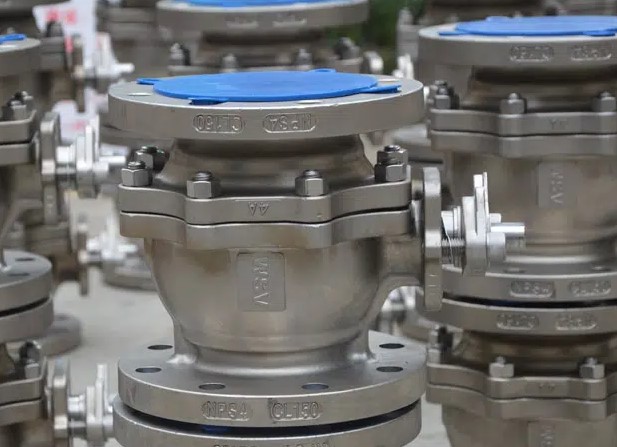
After understanding the basic factors affecting valve material selection, it is necessary to analyze specific chemical media in detail. Different chemical media have unique corrosion characteristics, and the requirements for valve materials vary accordingly. The following outlines key points for valve selection and recommended material solutions for common corrosive media in industrial production.
Sulfuric acid is one of the most widely used industrial raw materials among strong corrosive media. Corrosion varies greatly depending on concentration and temperature.
Concentrated sulfuric acid (≥80%, temperature below 80°C): Carbon steel and cast iron have good corrosion resistance but are not suitable for high-velocity sulfuric acid flows or as pump valve materials.
Dilute or high-temperature sulfuric acid: Ordinary stainless steels such as 304 (0Cr18Ni9) and 316 (0Cr18Ni12Mo2Ti) have limited corrosion resistance. High-silicon cast iron or high-alloy stainless steels (Alloy 20) are commonly used. However, high-silicon cast iron is difficult to cast and machine.
Economic choice: Fluoroplastics have good sulfuric acid resistance. F46-lined pump valves are a more economical option. However, when pressure is high or temperature rises, plastic valves are no longer suitable. In such cases, ceramic ball valves, though more expensive, provide reliable performance.
Most metallic materials are not resistant to hydrochloric acid corrosion, including various stainless steels. Molybdenum-containing high-silicon cast iron can only be used for hydrochloric acid below 50°C and 30% concentration.
Recommended solution: Unlike metallic materials, most non-metallic materials have good resistance to hydrochloric acid. Rubber-lined pumps and plastic pumps (e.g., polypropylene, fluoroplastics) are the best choice for transporting hydrochloric acid.
Limitations: When the temperature exceeds 150°C or the pressure is greater than 16 bar (1.6 MPa), no plastic—including polypropylene, fluoroplastics, or PTFE—can withstand the conditions. Currently, no ideal valve solution exists, but emerging ceramic ball valves can be considered. Ceramic ball valves have self-lubrication, low torque, and long service life, far exceeding ordinary valves. The main drawback is the higher cost.
Most metals are rapidly corroded and destroyed by nitric acid.
Room-temperature nitric acid: Stainless steel is the most widely used nitric acid-resistant material and provides good corrosion resistance to all concentrations of nitric acid at room temperature. It should be noted that molybdenum-containing stainless steels (e.g., 316, 316L) do not necessarily offer better corrosion resistance to nitric acid than ordinary stainless steels (e.g., 304, 321) and may sometimes perform worse.
High-temperature nitric acid: Titanium and titanium alloys are typically used.
Acetic acid is one of the most corrosive organic acids. Ordinary steel is severely corroded by acetic acid at all concentrations and temperatures.
Conventional choice: Stainless steel is an excellent acetic acid-resistant material. Molybdenum-containing 316 stainless steel can also be used for high-temperature and dilute acetic acid vapor.
Harsh conditions: For high-temperature, high-concentration acetic acid or acetic acid mixed with other corrosive media, high-alloy stainless steel or fluoroplastic pumps are recommended.
Conventional conditions: Steel is widely used in sodium hydroxide solutions below 80°C and 30% concentration. Many petrochemical plants still use ordinary steel at temperatures up to 100°C and concentrations below 75%, where corrosion increases but cost-effectiveness remains good.
Stainless steel selection: Ordinary stainless steel offers no significant advantage over cast iron in alkaline solutions. Unless trace iron content is permissible, stainless steel is not recommended.
High-temperature alkaline solutions: Titanium, titanium alloys, or high-alloy stainless steel are commonly used.
6. Ammonia and Ammonium Hydroxide
Most metals and non-metals experience minimal corrosion in liquid ammonia and ammonium hydroxide. Special attention should be paid to avoid copper and copper alloys.
Most metal valves have limited resistance to chlorine corrosion, especially in the presence of water, including various alloy valves.
PTFE valves: Commonly used, but in chlor-alkali chemical plants, PTFE valves may exhibit increased torque and aging over time, potentially leading to leaks.
Improved solution: Replacing ordinary PTFE-lined valves with PTFE-lined ceramic ball cores leverages ceramic self-lubrication and PTFE corrosion resistance for an optimal effect.
Ordinary steel: Corrosion rate in NaCl solutions, seawater, or brackish water is not very high, generally requiring coating protection.
Stainless steel selection: Various stainless steels have low uniform corrosion rates but may experience localized corrosion due to chloride ions; 316 stainless steel is generally recommended.
High-chloride environments: Nickel-based alloys such as Inconel 625 or Hastelloy C276 are suitable for seawater and other high-chloride media.
Common alcohols include methanol, ethanol, ethylene glycol, and propanol; ketones include acetone, butanone; esters include methyl esters, ethyl esters; ethers include methyl ether, ethyl ether, and butyl ether.
These media are generally non-corrosive, and common materials are suitable.
Seal material considerations: Ketones, esters, and ethers may dissolve many types of rubber. Care must be taken in seal selection.
After understanding the corrosion characteristics of various chemical media and corresponding valve selection solutions, it is necessary to further grasp the specific materials used in these valves and their performance characteristics. The following systematically introduces common corrosion-resistant materials used in industrial valves, including their composition, corrosion resistance mechanisms, applicable conditions, and advantages and disadvantages, providing comprehensive reference for engineers.
Stainless steel ball valves are the most common corrosion-resistant valves in industrial applications. 304 and 316 stainless steels are widely used due to their corrosion resistance.
- Stainless steel 304: Suitable for general corrosive environments, relatively low cost.
- Stainless steel 316: Contains molybdenum, offering better resistance to sulfuric acid, chlorides, and seawater; ideal for highly corrosive or marine environments. Also suitable for high-temperature and dilute acetic acid vapor.
- Advantages: High mechanical strength, moderate cost, ideal for various chemical media.
- Limitations: May corrode in certain chemicals such as hydrochloric acid or concentrated sulfuric acid.
Hastelloy, Inconel, Monel, and other alloy steels provide excellent corrosion and high-temperature resistance in handling strong corrosive chemicals and extreme environments.
- Hastelloy: Performs excellently in strong acid environments; suitable for concentrated sulfuric acid, hydrochloric acid, and other corrosive media.
- Inconel 625: Suitable for high-temperature and high-pressure conditions; resists corrosion and oxidation, with good resistance to chloride media and seawater.
- Monel alloy: Resistant to seawater and chloride corrosion.
- Cost consideration: Though expensive, these alloys can significantly extend valve life and reduce total ownership cost under harsh conditions.
PVC, PVDF, and other plastic valves can resist various acids and alkalis but are only suitable for low-temperature and low-pressure environments.
- Advantages: Low cost, good corrosion resistance, lightweight.
- Disadvantages: Poor mechanical performance; not suitable for high-temperature and high-pressure conditions. Fail above 150°C or pressures greater than 16 bar.
PTFE-lined valves exhibit excellent chemical inertness, usually combined with metal valve bodies for durability.
- Application: Suitable for strongly corrosive media, but lining aging should be monitored.
- Improvement: PTFE-lined ceramic ball cores combine ceramic self-lubrication and PTFE corrosion resistance, providing superior performance.
Ceramic ball valves are suitable for wear-resistant and slurry media and provide good corrosion and wear resistance under extremely high temperature and pressure.
- Advantages: Self-lubricating, low torque, resistant to aging, much longer service life than ordinary valves, suitable for high temperature and high pressure.
- Disadvantages: Much higher cost than plastic valves.
- Applications: Harsh conditions such as high-temperature and high-pressure hydrochloric acid, catalyst fluids in refineries, etc.
Titanium alloys exhibit excellent corrosion resistance to nitric acid, high-temperature alkaline solutions, and other special media, and are also used for hydrofluoric acid, cyanide, and other highly corrosive media.
- Advantages: Excellent corrosion resistance, high strength, lightweight.
- Disadvantages: High cost, difficult to process.
- Material Compatibility Check: In practice, compatibility between different materials must be considered. Electrochemical reactions may accelerate corrosion between materials, so valve and trim materials must be compatible with pipelines, seals, and other components.
- Regular Inspection: Regularly inspect valve and trim surfaces for corrosion, oxidation, or wear. Repair or replace damaged parts promptly to prevent further corrosion. Inspect valve actuators (electric or pneumatic) and their manual operation functionality; maintain or replace damaged parts.
- Cleaning and Maintenance: Regularly clean valve and trim surfaces to remove deposits. For scaling media such as sulfuric acid or hydrochloric acid, regular cleaning is essential.
- Sealing and Lubrication: Regularly inspect valve sealing performance. Lubricate valves and trims to maintain flexibility and reduce wear. Choose lubricants suitable for the medium and conditions, following manufacturer-recommended schedules. Check valve accessories such as stems, covers, and seals; replace worn or aged seals promptly.
Maintenance Records: Establish maintenance records for valves and trims, documenting maintenance activities, dates, and personnel. This helps detect problems promptly, analyze causes, and implement targeted maintenance measures.
Selecting the appropriate valve material for corrosive media is a key step to ensure reliability, safety, and long-term cost efficiency. Material selection must consider medium type, concentration, temperature, pressure, flow rate, and cost.
Many industries prefer stainless steel ball valves and alloy steel valves for corrosion resistance, but specific choices must be based on actual operating conditions.
- 316 stainless steel: Suitable for moderate corrosion.
- Hastelloy and Inconel: Suitable for strong corrosion and high-temperature, high-pressure environments.
- Plastic valves: Suitable for low-temperature, low-pressure acidic or alkaline media.
- Ceramic valves: Suitable for extreme conditions.
Through scientific material selection, proper maintenance, and regular inspection, valve service life can be effectively extended, corrosion-induced failures and damage reduced, production efficiency and safety improved, ultimately achieving economic and safety objectives.
