
Understanding Silent Check Valves from This Guide
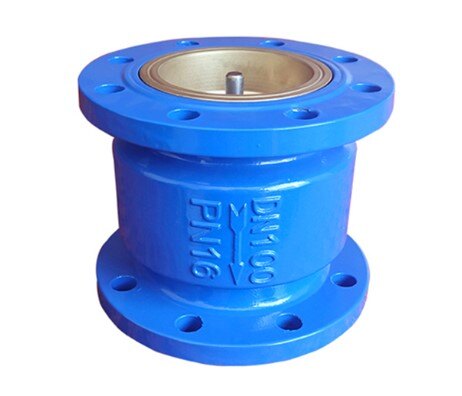
A silent check valve is a high-performance valve that automatically opens or closes its disc depending on the flow of the medium itself, thereby preventing backflow. It is also known by several other names, including check valve, one-way valve, non-return valve, and back pressure valve. Compared with traditional swing-type check valves, the silent check valve does not produce obvious impact noise during closure caused by reverse flow. Instead, it adopts a spring-assisted closing structure, allowing the disc to close quickly and smoothly before reverse flow occurs. This significantly reduces hydraulic shock and noise, achieving a more stable, quiet, and reliable operating condition.
Silent check valves are widely used in water supply systems, HVAC systems, fire protection systems, and various industrial pipelines. They are especially suitable for installation at pump discharge outlets. When a pump stops operating, the fluid continues moving due to inertia. If the flow suddenly stops or reverses, high-pressure shock waves can be generated. Without proper control, these impacts may cause serious damage to pumps and pipelines. The silent check valve effectively suppresses such shock waves while eliminating knocking or impact noise caused by water hammer, thereby ensuring safe operation of pumps, pipelines, and surrounding equipment.
Basic Operating Process: The working principle of a silent check valve mainly relies on a spring-assisted disc structure. When the medium flows normally, fluid pressure pushes the disc open, allowing smooth passage. When the flow rate decreases or stops, the spring immediately forces the disc to close before reverse flow occurs, achieving sealing and preventing backflow while eliminating water hammer effects. This rapid closing mechanism is the key to achieving both silence and anti-shock performance. Specifically, during operation, when the medium flows in the normal direction, the disc opens automatically under fluid pressure, allowing smooth passage. When flow stops or reverse flow is about to occur, the spring rapidly closes the disc. Some designs also incorporate damping or two-stage closing mechanisms, where the valve first closes quickly and then cushions slowly, further reducing impact and noise, ensuring system stability and safety.
Water hammer refers to the pressure shock generated when a pump suddenly stops and the fluid continues to move due to inertia, encountering resistance or directional change. When a valve suddenly closes, the fluid strikes the valve body, forming a strong shock wave and producing a noticeable knocking sound in the pipeline. The intensity of this phenomenon depends on fluid velocity and volume and can cause serious equipment damage.
The hazards of water hammer include damage to pump shafts, cracked pump casings, or pipeline rupture. Over long-term operation, even if a single impact is not fatal, repeated water hammer effects gradually weaken system structures, eventually leading to leakage or rupture. This may result in safety incidents, equipment failure, and high maintenance and downtime costs. In addition to water hammer, overpressure and cross-contamination risks may also occur, especially in systems designed to prevent mixing of different fluids.
A silent check valve mainly consists of the valve body, valve seat, disc, guiding structure, bushings, and spring.
The valve body is usually made of cast carbon steel, and materials such as bronze or cast iron may also be selected depending on medium characteristics to suit different corrosive environments. The internal flow channel is optimally designed with a “waisted drum” structure, which improves flow direction and reduces flow resistance coefficient. A full-bore flow channel design improves flow efficiency and reduces pressure loss, thereby enhancing overall system performance.
The disc adopts a “bullet-shaped” design with a short opening and closing stroke, effectively preventing water hammer. A helical spring ensures immediate closure when flow reaches zero, preventing reverse flow. The spring is typically designed with low stiffness to ensure sensitive response while maintaining extremely long service life, capable of millions of opening and closing cycles.
The guided lifting structure uses dual-point bearings to guide the disc, preventing deviation or tilting and ensuring sealing stability. Non-metallic lubricating bushings are installed between the guide shaft and guide frame, allowing smooth vertical movement without jamming. A skeleton-type rubber sealing ring is directly embedded in the valve body, preventing long-term erosion by the medium, significantly extending service life and improving durability.
After understanding the working principle and structural design of the silent check valve, it is important to further explore its practical value in real systems. The following section highlights the core advantages that make this valve an essential component in modern pipeline engineering.
The most prominent feature of a silent check valve is its ability to effectively reduce noise and water hammer impact. Operating noise is typically only 30–50 dB, significantly lower than the 60–80 dB of traditional check valves. Therefore, it is especially suitable for hospitals, residential buildings, hotels, and other environments requiring low noise, ensuring quiet operation even at night.
The silent check valve effectively prevents medium backflow, avoiding system contamination or failure. When reverse flow occurs, the disc rapidly closes under its own weight and reverse fluid force, tightly sealing against the valve seat to block backflow.
Due to its compact structure, the silent check valve can be installed horizontally or vertically depending on the model, offering high installation flexibility. Its simple internal structure and few moving parts result in low maintenance requirements and long service life. It is suitable for various working conditions such as cold water, hot water, HVAC systems, compressed air, and pumping pipelines.
The silent check valve features a wide pressure and temperature range and can operate continuously without leakage. Its design and materials typically comply with ASME Boiler and Pressure Vessel Code, with pressure ratings ranging from Class 125 to Class 1500, meeting various application requirements.
Silent check valves are widely used in industrial and civil fields, including manufacturing and processing industries, chemical industry, oil and gas industry, small community systems, residential facilities, hospitals, and universities. They play a critical protective and stabilizing role in all pipeline systems involving water or liquid transportation.
Typical applications include:
- High-rise building water supply systems: Prevent water hammer during pump shutdown and protect pumps and pipelines
- Hospitals, hotels, residential buildings: Noise-sensitive environments
- HVAC systems: Prevent backflow and ensure stable operation
- Fire protection systems: Ensure one-way flow of firefighting water
- Industrial pumping stations: Protect pumps from water hammer damage
- Water supply and drainage systems: Installed at pump outlets and can also function as foot valves after structural adjustment
It should be noted that silent check valves are not suitable for sewage systems, as impurities in wastewater may affect normal disc movement.
- Flow Velocity: The higher the flow velocity, the more significant the noise reduction advantage. In high-flow systems, traditional check valves generate more severe noise and water hammer, making the advantages of silent check valves more prominent.
- Installation Position: Installing the valve near the pump outlet provides better water hammer suppression, as this is the location where shock waves are most directly generated. Installing a silent check valve here allows early interception of pressure waves.
- System Pressure Fluctuation: In systems with frequent pressure changes, silent check valves offer greater advantages. Traditional check valves tend to produce frequent impact noise during pressure fluctuations, while the spring-assisted structure of silent check valves ensures smooth transitions.
- Material Quality: High-quality materials such as stainless steel springs and rubber seals improve both noise reduction performance and durability. Material selection directly affects service life and reliability, especially in corrosive media environments.
- Installation Direction: Installation must strictly follow the flow direction marked on the valve body. Otherwise, normal function may be affected or system failure may occur. The arrow on the valve body must align with flow direction, and the tilt angle should not exceed 15 degrees.
- Flange Connection: The valve should be installed between flanges using appropriate gaskets to ensure sealing. Flange spacing must match valve length to avoid forced installation or welding, which may affect structural stability.
- Pipeline Alignment: The valve must be aligned with the pipeline center to prevent stress damage. Misalignment will subject the valve to additional mechanical stress, affecting sealing performance and service life.
- Reserved Space: Sufficient space must be reserved for disc movement. The disc requires a certain travel distance during opening and closing; insufficient space will affect valve operation.
- Straight Pipe Requirements: A sufficient straight pipe section should be reserved at the inlet (typically not less than 3 times the nominal diameter) and at the outlet (not less than 2 times the nominal diameter) to reduce flow disturbance and secondary turbulence noise.
As an indispensable component in modern pipeline systems, the silent check valve effectively solves the problems of high noise and severe water hammer impact in traditional check valves through its unique spring-assisted closing structure and optimized flow channel design. It not only protects pumps and pipelines from water hammer damage but also significantly reduces operational noise, providing a quiet operating environment for hospitals, residential buildings, hotels, and other noise-sensitive locations.
During selection, factors such as medium type, system pressure, flow requirements, and installation conditions should be fully considered. During installation, strict adherence to installation standards is required to ensure correct flow direction, proper alignment, and sufficient space. In daily maintenance, sealing elements and springs should be inspected regularly to ensure optimal working conditions.
With the continuous development of industrial technology and increasing environmental requirements, silent check valves will be increasingly applied in municipal water supply and drainage, HVAC systems, and industrial pipelines. Proper understanding and use of silent check valves are essential for ensuring safe, stable, and efficient pipeline system operation.
