
A Complete Guide to Lubricated Plug Valves
A lubricated plug valve is a type of rotary valve that achieves sealing and friction reduction by injecting a dedicated lubricant. Its core working principle is similar to that of a ball valve, controlling the on/off of fluid by rotating 90 degrees. However, it has a more compact structure and is widely used in industries such as petroleum, natural gas, chemical processing, and water treatment. The plug valve itself is a long-established valve type, mainly used for quickly shutting off fluids. Its core structure is a tapered or cylindrical plug installed inside the valve body. When the plug rotates, the internal passage aligns with or deviates from the pipeline, thereby realizing the opening or closing of the fluid. The unique feature of the lubricated plug valve is that it is equipped with a lubrication system. A special lubricant composed of base oil and thickening agents is injected between the sealing surfaces of the plug and the valve body. This lubricant not only reduces friction, making valve operation easier, but also fills tiny gaps to form an effective seal and prevent fluid leakage.
After understanding the basic concept of lubricated plug valves, let us examine how they operate internally. The core of this type of valve lies in the word “lubrication”—through a precise lubrication system, it achieves the dual functions of sealing and friction reduction.
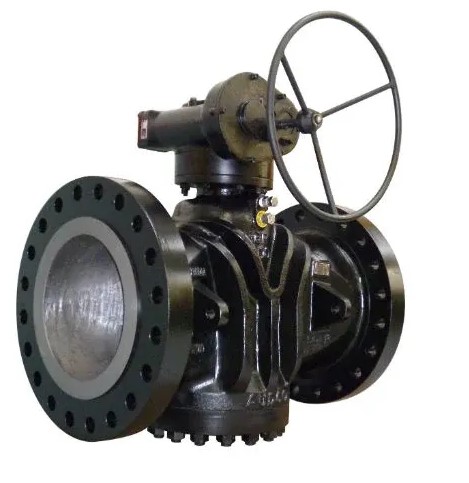
A lubricated plug valve mainly consists of the following core components:
- Plug: This is the heart of the valve, usually cylindrical or conical, with a through passage inside. The plug rotates within the valve body and controls fluid flow by changing the direction of the passage.
- Valve Body: The housing that contains the plug, connects to the pipeline, and withstands system pressure.
- Lubrication System: Includes grease injection ports (grease fittings), grease grooves, and sealant distribution grooves. This is the key feature that distinguishes lubricated plug valves from other types of valves.
- Stem: Connects the plug with the external operating device (handwheel or actuator) and transmits rotational force.
In the closed state, the solid part of the plug blocks the fluid passage, while the injected lubricant forms a tight sealing layer between the plug and the valve body, effectively preventing medium leakage.
In the open state, the plug rotates 90 degrees, aligning its internal passage fully with the pipeline, allowing the fluid to pass smoothly with minimal pressure loss.
The lubrication system is the core of this type of valve. Through the grease fitting, operators can continuously inject sealing grease into the valve. These lubricants have multiple functions:
First, reducing friction. Under high-pressure or large-diameter conditions, the friction between metal surfaces can be very large. The lubricant can significantly reduce operating torque, making valve opening and closing easier.
Second, forming a seal. High-viscosity grease can fill the tiny gaps between the plug and the valve body, forming a reliable sealing barrier.
Third, preventing corrosion. The lubricant isolates the medium from the metal surface, reducing chemical and electrochemical corrosion.
Fourth, extending service life. By reducing direct metal contact and wear, the lubricant can significantly extend the service life of the valve.
Some high-end lubricated plug valves also adopt an inverted pressure-balanced design. This structure is equipped with pressure balance holes or channels on the plug, allowing high-pressure media to enter the bottom of the plug and generate an upward hydraulic force. This force can partially offset the downward pressure exerted by the medium on the plug, thereby significantly reducing operating torque and making opening and closing operations easy even under high-pressure conditions.
Standard Lubricated Plug Valve: Uses a basic lubrication system and is suitable for general working conditions.
Inverted Pressure-Balanced Lubricated Plug Valve: Equipped with a pressure-balanced structure, particularly suitable for high-pressure conditions, with low operating torque and easy operation. This type of product usually adopts a bolted bonnet structure, is provided with grease grooves, complies with international standards such as API 599 or API 6D, and offers multiple connection methods such as flange or butt welding.
Grease Seal: Forms a seal through high-viscosity special grease. This type is suitable for high-pressure and corrosive media environments, with excellent durability and corrosion resistance. Since the lubricant can be continuously replenished and replaced, the sealing performance can be maintained over a long period.
Metal-to-Metal Seal: Relies on precisely machined metal contact surfaces to achieve sealing, supplemented by lubrication to reduce friction. This type has outstanding high-temperature resistance and is suitable for high-temperature conditions.
- Excellent Sealing Performance: Lubricating grease can fill microscopic uneven surfaces, forming a more reliable seal than simple metal contact. This advantage is particularly evident under high-pressure conditions.
- Adaptability to Harsh Conditions: Lubricated plug valves are commonly used in high-temperature, high-pressure, corrosive media, and particle-containing media conditions. The lubrication system provides additional protection, ensuring reliable sealing and reducing wear even in harsh environments.
- Easy Operation: Especially for models equipped with pressure-balanced structures, the operating torque can remain within a reasonable range even under high-pressure and large-diameter conditions, allowing manual operation without the need for large actuators.
- Long Service Life: By periodically replenishing lubricant, the sealing surface can be continuously restored, reducing metal wear and significantly extending the service life of the valve. Compared with other types of valves, lubricated plug valves show more outstanding durability under heavy-duty conditions.
- Controllable Maintenance: Although regular grease injection maintenance is required, this maintenance is planned and simple, and can be quickly completed through the grease fitting without disassembling the valve.
When selecting a valve, engineers often need to choose between lubricated plug valves and non-lubricated plug valves. Understanding the differences between the two is crucial.
Lubricated Plug Valve: Composed of plug, valve body, lubrication system (grease injection port and grease grooves), stem, and sealant distribution grooves.
Non-Lubricated Plug Valve: Composed of plug, valve body, low-friction non-metallic sleeve or lining (usually made of PTFE or similar materials), stem, and self-lubricating or soft sealing seat structure.
Both types control fluid by rotating the plug, but their sealing mechanisms are different:
Lubricated Plug Valve relies on injected lubricant to fill gaps, prevent metal contact, reduce friction, and resist corrosion.
Non-Lubricated Plug Valve achieves sealing and friction reduction through wear-resistant sleeves or bushings made of polymer materials such as PTFE, without the need for external lubrication.
- Maintenance Requirement: Lubricated requires regular grease injection; non-lubricated is basically maintenance-free.
- Applicable Temperature: Lubricated performs excellently under high-temperature conditions; non-lubricated is limited by non-metallic materials and is not suitable for high temperatures.
- Applicable Pressure: Lubricated is preferred for high-pressure conditions; non-lubricated is more suitable for medium and low pressure.
- Sealing Performance: Lubricated can be continuously optimized through maintenance; non-lubricated has good initial sealing but is difficult to repair.
- Operating Cleanliness: Lubricated has a risk of lubricant contamination; non-lubricated is pollution-free and operates cleanly.
- Economics: Lubricated may have higher initial cost but is suitable for heavy-duty conditions; non-lubricated is more economical for medium and low pressure.
- Operating Torque: Lubricated remains relatively easy under high pressure; non-lubricated torque increases significantly with pressure.
If the system requires high sealing performance and long-term durability, especially under high-temperature and high-pressure heavy-duty conditions, lubricated plug valves should be prioritized. If the application requires high cleanliness, or lubricant contamination of the medium is unacceptable, and the working conditions are medium to low pressure, non-lubricated plug valves are more suitable.
Improper selection may lead to increased maintenance costs, reduced sealing performance, or even valve failure. Therefore, engineers and procurement personnel must fully understand the differences between the two.
Selecting an appropriate lubricated plug valve requires comprehensive consideration of multiple factors:
- Medium Characteristics: First determine the type of medium, including its chemical properties (corrosiveness, toxicity), physical properties (viscosity, solid content), and temperature. Materials must be able to withstand these characteristics to avoid corrosion or performance degradation.
- Operating Conditions: Determine valve size and pressure rating, ensuring compatibility with the system and compliance with relevant standards (such as API, ANSI, ISO). The valve size and pressure rating should match the pipeline system to avoid oversizing or undersizing.
- Material Selection: Valve body, plug, and sealing materials should be selected based on medium characteristics and operating conditions. Common materials include various carbon steels, stainless steels, and alloy steels.
- Sealing Structure: Select grease sealing or metal-to-metal sealing based on the medium and conditions. For high-pressure corrosive media, grease sealing is usually more suitable; for high-temperature environments, metal sealing may be more reliable.
- Connection Type: Confirm the connection method between the valve and the pipeline, such as flanged or butt-welded, ensuring compatibility with the existing pipeline system for smooth installation.
- Operational Convenience: Evaluate operation frequency and method (manual, electric, pneumatic). The design should ensure easy operation, especially under high-pressure and large-diameter conditions.
- Maintenance Requirements: Choose a valve structure that is easy to maintain and grease. Check whether the grease fitting location is accessible and whether the lubrication system design is reasonable.
Lubricated plug valves are a mature and reliable valve technology that achieve excellent sealing performance and long service life through a unique lubrication system. They are particularly suitable for harsh conditions such as high temperature, high pressure, and corrosive media, and are widely used in oil and gas, petrochemical, and power industries.
A correct understanding of the working principles, structural characteristics, and selection points of lubricated plug valves is crucial for ensuring the efficiency, safety, and economy of pipeline systems. Compared with non-lubricated plug valves, although periodic maintenance is required, their performance advantages under heavy-duty conditions make them the preferred choice for many critical applications.
In practical engineering, engineers should reasonably choose between lubricated and non-lubricated plug valves based on specific working conditions, maintenance capabilities, and cleanliness requirements. At the same time, correct installation and regular maintenance are key to ensuring long-term stable operation. Through scientific selection and standardized use, lubricated plug valves can provide reliable service for industrial pipeline systems and ensure production safety and efficiency.
