
Differences Between Diaphragm Valves and Globe Valves
In industrial production and pipeline systems, valves are key devices for controlling fluid flow. Faced with a wide variety of valve types, many engineers and purchasing personnel often feel confused. Diaphragm valves and globe valves, as two common types of shut-off valves, although similar in function, have obvious differences in structure, performance, and application scenarios. This article will compare these two types of valves from multiple dimensions to help you make the right choice according to actual needs.
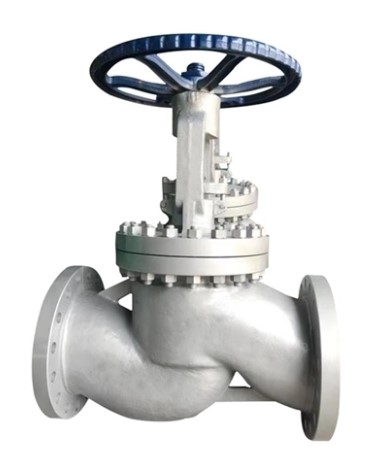
A globe valve is a valve in which the closure element (disc or plug) moves along the centerline of the valve seat. This type of movement allows the change in the valve seat opening to be proportional to the travel of the disc. Simply put, when you turn the handwheel, the stem moves the disc up and down—closing when it approaches the seat and opening when it moves away.
Because the stem stroke of a globe valve is relatively short, it provides reliable shut-off. Also, since the seat opening changes proportionally with the disc travel, this type of valve is very suitable for flow regulation. Therefore, a globe valve can serve both as a shut-off device and as a regulating or throttling device.
During operation, the friction between the disc and the valve body sealing surface is less than that of a gate valve, providing better wear resistance. The open height is generally only a quarter of the valve seat passage, much smaller than a gate valve. In addition, globe valves usually have only one sealing surface on the valve body and disc, making the manufacturing process relatively simple and maintenance more convenient.
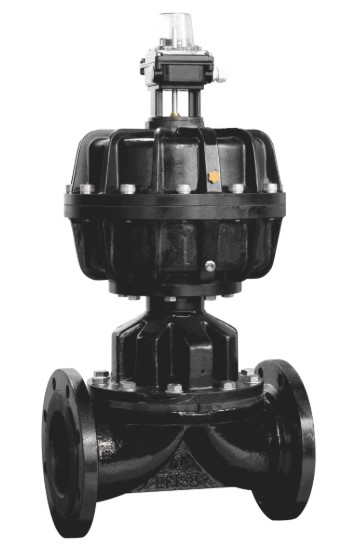
A diaphragm valve is a valve with a flexible diaphragm or composite membrane installed inside the valve body and bonnet, with a closure element that is a compression device connected to the diaphragm. The valve seat can be either weir-shaped or a straight-through pipe wall flow path.
The core feature of a diaphragm valve is that the actuator mechanism is completely isolated from the fluid flow path. This design has two significant advantages: first, it ensures the purity of the working medium, preventing contamination from mechanical components; second, it prevents the medium in the pipeline from impacting the actuator components. Therefore, the stem does not require any separate sealing unless it is used to control hazardous media as a safety feature.
When the valve is closed, the diaphragm is pressed against the seat to achieve sealing and prevent fluid flow; when the valve is open, the diaphragm lifts to allow fluid passage. This design completely isolates the fluid from the mechanical parts of the valve.
Globe Valve Structure: The main components of a globe valve include a movable disc (or plug) and a fixed seat, usually installed inside a spherical valve body. The disc moves perpendicular to the valve seat to control flow by changing the valve opening. Because the packing is usually a mixture of asbestos and graphite, globe valves have a high temperature rating, and steam valves generally adopt globe valve designs. However, this also means that the flow direction changes as the medium passes through the valve, so the minimum flow resistance of a globe valve is higher than most other valve types. The structure of a globe valve is relatively complex, with many mechanical components, including the valve body, bonnet, stem, disc, seat, packing, and more. Although maintenance is relatively convenient, component wear is inevitable.
Diaphragm Valve Structure: The structure of a diaphragm valve is very simple, consisting of only three main components: the valve body, diaphragm, and bonnet assembly. This simple structure makes diaphragm valves easy to disassemble and repair quickly, and diaphragm replacement can be completed on-site in a short time. Since only the diaphragm and valve body contact the working medium, both can be made from various materials. This means diaphragm valves can ideally control a wide range of media, especially those with chemical corrosion or suspended particles. Diaphragm materials can be chosen according to fluid characteristics, such as EPDM, PTFE, or NBR, to enhance the valve's medium compatibility.
After understanding the basic structure and principle of the two valves, we now examine their performance in actual use. Temperature tolerance, working pressure range, flow control accuracy, and sealing effectiveness—these key parameters directly determine whether a valve can operate stably under specific conditions. The following is a detailed comparison across four core performance indicators.
Globe valves have a very wide application range, from vacuum to high temperature and high pressure. In terms of temperature, globe valves can withstand -196°C to 600°C; in terms of pressure, high-pressure conditions can reach 400 bar. This broad applicability makes globe valves the preferred choice in many industrial scenarios.
Diaphragm valves, limited by diaphragm materials, are suitable for low-pressure and lower-temperature applications, generally not exceeding 180°C, with pressures usually no more than 16 bar (some models can go higher, but overall lower than globe valves). The pressure and temperature resistance of diaphragm valves is lower than that of globe valves, which is their main limitation.
Globe valves perform excellently in precise flow control. Since the seat opening changes proportionally with the disc travel, globe valves are very suitable for throttling applications, especially where frequent flow adjustments are required. The disc can also be partially opened for precise flow regulation.
Diaphragm valves have relatively poor regulation performance, only suitable for small-range adjustments, generally usable for flow regulation when open between fully closed and two-thirds. Therefore, diaphragm valves are more suitable for fully open or fully closed operations rather than precise flow adjustment.
Globe valves achieve sealing through O-ring compression activated by water pressure. Sealing is reliable, but over time, the sealing surface may wear and require regular maintenance.
Diaphragm valves achieve sealing through the mechanical displacement of the rubber diaphragm, relying on differential pressure. The diaphragm serves as both a seal and a moving component, reducing leakage paths and providing excellent sealing. However, the diaphragm is a consumable part and needs periodic replacement during use.
Differences in performance parameters directly determine the applicable fields for the two valve types. Globe valves, with their high temperature and pressure resistance and precise control capabilities, are the preferred choice in heavy industry and energy sectors. Diaphragm valves, relying on excellent sealing and isolation performance, have advantages in applications requiring strict hygiene and corrosive media handling. The following is a detailed analysis of their core applications.
Globe valves are widely used for their precise flow control and reliable performance, including:
Water flow control: supply and drainage systems
Steam systems: steam distribution and regulation
Cooling systems: industrial cooling loops
Fuel and lubrication systems: oil and natural gas transport
Chemical additive delivery in production processes
Condenser air venting: power equipment
Boiler ventilation and drainage: power plant boiler systems
HVAC systems: heating, ventilation, and air conditioning
Oil and gas industry: controlling oil and gas flow in pipelines
Food and beverage industry: production process control
Globe valves are particularly suitable for processes requiring precise flow control, on/off chemical processes, and situations needing rapid shut-off, such as emergency stops.
Diaphragm valves are known for their excellent sealing performance and media compatibility, mainly applied in:
Water treatment: water treatment plants, wastewater treatment
Chemical processing: handling corrosive chemicals
Food and beverage industry: hygienic applications
Pharmaceutical industry: clean production environments
Mining: slurry transport
Pulp and paper: pulp processing
Biotechnology: bioproduct production
HVAC systems: specific applications
Diaphragm valves are particularly suitable for handling corrosive fluids, slurries, or high-viscosity media, as well as applications requiring hygiene or cleanliness.
The lifespan and economic efficiency of valves depend not only on initial purchase cost but also on daily maintenance requirements and long-term operational investment. Structural differences result in different maintenance methods and lifecycle costs for the two valve types.
Globe valves have more mechanical components; although prone to wear, they are relatively easy to repair. In high-cycle applications, globe valves have a longer service life. Seals can be replaced individually, with simple manual tools.
Diaphragm valves' diaphragm functions as both seal and moving part, reducing leakage paths, but requires regular replacement during use. Although diaphragm replacement can be completed quickly on-site, the seal has a relatively shorter lifespan. Design complexity is higher, but daily maintenance workload is smaller.
Initial Cost: Diaphragm valves generally have lower initial investment, as simple structure reduces manufacturing cost. Globe valves, due to complex structure and high material requirements, have higher initial cost.
Long-Term Cost: Although diaphragm valves are initially cheaper, long-term diaphragm replacement costs may accumulate, especially under frequent operation. Globe valves, despite higher initial investment, are more economical in the long term due to durability and maintainability.
Installation Cost: Globe valves typically require higher pressure ratings, and installation and maintenance may require special equipment such as hoists or cranes. Diaphragm valves are lighter, usually requiring only standard tools, with lower installation cost.
Considering the structural characteristics, performance parameters, application scenarios, and maintenance costs, the advantages of the two valve types can be determined. However, actual engineering selection is not a simple judgment of pros and cons; it requires matching with specific operating conditions. The following provides targeted selection guidance from a practical application perspective.
It is recommended to prioritize globe valves in the following cases:
Precise flow control and regulation required
Working temperature exceeds 180°C or pressure exceeds 16 bar
High-temperature and high-pressure applications (e.g., steam systems)
Frequent flow adjustment needed
Seeking long-term economic efficiency and reduced replacement frequency
Applications in oil, gas, power, and other industries
Quick shut-off function required, such as emergency stops
It is recommended to prioritize diaphragm valves in the following cases:
Medium is corrosive or contains suspended particles
Handling slurry or high-viscosity media
High hygiene requirements (e.g., pharmaceutical, food and beverage)
Lower working temperature and pressure (≤180°C, ≤16 bar)
Desire to reduce medium contamination risk
Quick maintenance and part replacement required
Limited installation space, requiring lightweight valve
Budget-conscious, aiming to reduce initial investment
When selecting a globe valve or diaphragm valve, the following factors should be comprehensively considered:
Medium compatibility: valve materials must be compatible with the conveyed medium
Temperature and pressure range: ensure valve can safely operate under conditions
Flow control requirements: precise regulation or simple on/off
Maintenance and durability: consider maintenance frequency and long-term reliability
Cost: including initial and full lifecycle cost
Application characteristics: hygiene requirements, installation environment, and other special needs
Diaphragm valves and globe valves each have advantages and limitations; there is no absolute “better” option. Globe valves, with precise flow control, broad temperature and pressure range, and long-term reliability, are traditional choices in industrial applications, especially suitable for high-temperature, high-pressure, and adjustable-flow scenarios. Diaphragm valves, with excellent sealing performance, media isolation capability, and simple structure, perform well in corrosive media, hygienic, and low-pressure, low-temperature applications.
In practical selection, operating conditions such as medium characteristics, temperature and pressure, control precision, maintenance capability, and budget constraints must be fully analyzed. Choosing a reliable valve manufacturer and ensuring quality assurance is also crucial. Only by accurately matching valve characteristics with actual needs can the safety, efficiency, and economic operation of the pipeline system be ensured. Regardless of the valve type chosen, correct installation, regular maintenance, and timely replacement of consumable parts are key to ensuring long-term stable operation. It is recommended to consult professional valve engineers or suppliers before procurement to obtain professional advice for specific application scenarios.
