
Ductile Iron Valves vs. Cast Steel Valves: A Detailed Analysis
In industrial pipeline systems, valves, as core components for fluid control, directly affect the safety, stability, and economic efficiency of the entire system. Valves made from different materials show significant differences in mechanical properties, corrosion resistance, temperature tolerance, and cost. Therefore, selecting the appropriate valve material is crucial for ensuring the efficient operation of the system. Ductile iron valves and cast steel valves are two of the most widely used types of industrial valves, each possessing unique advantages and applicable scenarios. This article will systematically analyze ductile iron valves and cast steel valves from the aspects of material properties, manufacturing processes, performance differences, application scenarios, cost analysis, and selection recommendations, in order to provide a comprehensive reference for engineering selection of industrial valves.
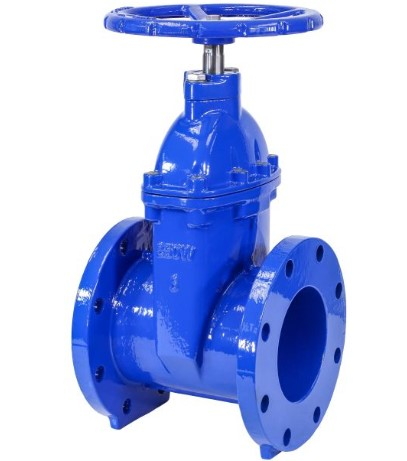
- Ductile Iron: Ductile iron is a special type of cast iron whose graphite is distributed in a spherical form. This spheroidal graphite structure endows ductile iron with excellent mechanical properties and corrosion resistance. Ductile iron can reach a tensile strength of 60k and a minimum yield strength of 40k, far higher than ordinary cast iron. Its strength-to-cost ratio is also superior to that of cast iron, making ductile iron economically advantageous in many applications. The spheroidal graphite structure can effectively prevent crack propagation, improving the reliability and service life of valves.
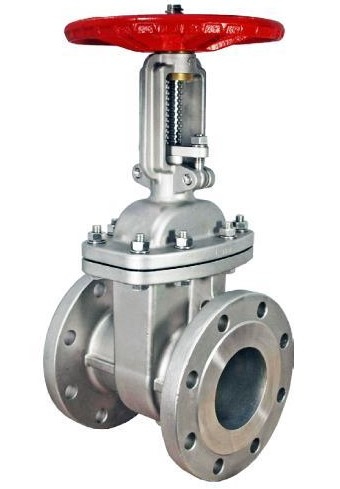
- Cast Steel: Cast steel is a type of steel in which carbon is the main alloying element and is characterized by high strength and hardness. Depending on the carbon content, cast steel can be classified into low-carbon steel, medium-carbon steel, and high-carbon steel. Low-carbon steel has good plasticity and toughness, suitable for components that bear relatively large loads; medium-carbon steel and high-carbon steel have higher strength and hardness but lower toughness. Cast steel has a yield strength of 36k, which is slightly lower than ductile iron but performs excellently under high-temperature and high-pressure environments.
- Ductile Iron Valves: Ductile iron valves are manufactured using the nodular casting process. This process involves adding magnesium alloys to molten iron, causing the graphite to precipitate in a spherical form, thereby improving the toughness and impact resistance of the casting. The manufacturing process of ductile iron valves is relatively simple, with high production efficiency and low cost. The spheroidal graphite structure can effectively prevent crack propagation, improving the reliability and service life of the valve.
- Cast Steel Valves: The manufacturing process of cast steel valves is more complex, usually combining casting and forging. The basic shape is first formed through casting, and then high-temperature forging is applied to further enhance the strength and hardness of the valve. This process allows cast steel valves to withstand higher pressure and temperature, making them suitable for high-temperature, high-pressure working environments. However, cast steel valves have higher manufacturing costs and more processing steps.
- Mechanical Performance: Ductile iron valves have good toughness and impact resistance, making them suitable for environments with significant vibration and shock. Their spheroidal graphite structure can effectively reduce vibration and stress. In contrast, cast steel valves have higher strength and hardness but lower toughness. Cast steel valves perform excellently under high-temperature and high-pressure environments, able to withstand large pressure and temperature fluctuations.
- Corrosion Resistance: Ductile iron valves have certain advantages in corrosion resistance. Their spheroidal graphite structure and relatively high carbon content allow them to perform well in municipal applications such as water, brine, and steam environments. Ductile iron’s corrosion and oxidation resistance is superior to that of cast steel, effectively resisting corrosion from fluids. Although cast steel valves also have good corrosion resistance, they may require additional protective measures in extreme corrosive environments.
- Temperature Range: Ductile iron has a temperature tolerance from -30°C to 350°C, while cast steel ranges from -29°C to 425°C. For water supply and drainage valves and other ambient-temperature applications, both materials meet requirements. However, in high-temperature, high-pressure environments, cast steel valves have the advantage of withstanding higher temperatures and pressures.
- Ductile Iron Valves: Ductile iron valves are widely used in low-pressure, ambient-temperature environments, such as municipal water supply and drainage systems, HVAC systems, and fire protection systems. These systems typically handle media such as water and low-temperature steam, with temperatures generally below 100°C to 220°C and pressures not exceeding 1.6 MPa. The economic advantage and good corrosion resistance of ductile iron valves make them an ideal choice for these applications.
- Cast Steel Valves: Cast steel valves are suitable for high-temperature, high-pressure environments, such as in petroleum, chemical, and power industries. These industries require valves with high strength and pressure resistance. For example, in petroleum pipelines, cast steel valves can effectively control fluid flow and ensure the safe operation of the system.
- Material Cost: Ductile iron material is relatively inexpensive, and its manufacturing process is simpler, resulting in lower valve costs. In contrast, cast steel material is more expensive, and the manufacturing process requires more steps, resulting in higher costs for cast steel valves.
- Maintenance Cost: Ductile iron valves have relatively low maintenance costs due to their good corrosion resistance and impact resistance. In municipal applications, ductile iron valves have a longer service life, reducing replacement and repair frequency. Although cast steel valves have high strength, they may require additional protective measures in some corrosive environments, increasing maintenance costs.
Selecting the appropriate valve requires comprehensive consideration of factors such as the working environment, medium characteristics, pressure and temperature requirements, and budget. The following are some selection recommendations:
For applications in low-pressure, ambient-temperature environments, handling media such as water, steam, or oil, ductile iron valves are undoubtedly the ideal choice. Their economic advantage and good corrosion resistance meet requirements while reducing maintenance costs. In municipal water supply, HVAC, and fire protection systems, ductile iron valves effectively handle daily fluctuations due to their excellent impact resistance and vibration tolerance, ensuring stable operation. Additionally, ductile iron valves have a relatively simple manufacturing process and low cost, making them suitable for large-scale municipal projects or enterprise applications, where they provide quality assurance while effectively controlling costs and ensuring reasonable resource utilization.
In high-temperature, high-pressure environments, such as in petroleum, chemical, and power industries, cast steel valves are a better choice. Their high strength and pressure resistance ensure safe system operation. Although the cost is higher, their reliability and durability are worth the investment. In these industries, pipelines face extreme conditions, such as high-temperature steam and high-pressure oil. Cast steel valves, with excellent high-temperature performance and high-strength structure, can withstand tremendous pressure and temperature changes, effectively preventing leakage and ensuring production safety. In the long term, cast steel valves’ reliability reduces downtime and maintenance costs, creating greater economic benefits for enterprises.
If the application environment contains special corrosive media, it is recommended to provide additional protective measures for the valves. For example, coating or plating technology can enhance corrosion resistance. At the same time, the material should be selected according to the specific medium, such as stainless steel or alloy steel. In the chemical industry, various corrosive media such as acids, alkalis, and salts are common. In such cases, relying solely on the inherent corrosion resistance of ductile iron or cast steel may be insufficient. Advanced coating technologies, such as epoxy or PTFE coatings, can form a protective layer on the valve surface, effectively isolating the corrosive medium from the valve substrate and extending service life. Additionally, in extremely corrosive environments, selecting stainless steel or alloy steel valves with higher corrosion resistance may be necessary, although these materials are relatively expensive, they ensure stable operation in harsh conditions and prevent safety incidents or economic losses caused by corrosion.
Economic budget is also an important factor in valve selection. If the project budget is limited and the working environment is relatively mild, ductile iron valves are an economical choice. They provide basic performance while effectively controlling costs, ensuring the project proceeds within budget. However, if higher performance requirements exist and the budget is sufficient, cast steel valves can provide superior and more reliable performance. In critical industrial processes, such as core pipelines in large chemical plants, investing in cast steel valves, though initially expensive, offers higher cost-effectiveness in terms of long-term stable operation and production efficiency.
Besides initial selection, maintenance and replacement convenience also affect overall system cost and efficiency. Ductile iron valves have simpler structures, making maintenance easier, and replacement requires less disassembly and installation effort, which is important in systems requiring frequent maintenance. Cast steel valves, although high-performing, have complex structures, and maintenance or replacement may require more time and skilled personnel. Therefore, when selecting valves, system maintenance strategy and personnel expertise should also be considered to ensure efficient system operation and smooth maintenance work.
In conclusion, when selecting between ductile iron and cast steel valves, multiple factors, including working environment, medium characteristics, pressure and temperature requirements, budget, and maintenance convenience, must be comprehensively evaluated. Only by weighing these factors can the most suitable valve be chosen, ensuring industrial systems operate safely, efficiently, and economically.
Municipal Water Supply System: In a municipal water supply system in a certain city, a large number of ductile iron valves were used. These valves primarily controlled the flow of tap water, with a working environment of low-pressure, ambient temperature. The corrosion resistance and impact tolerance of ductile iron valves allowed long-term stable operation, reducing maintenance and replacement frequency. After years of use, these valves continued to perform excellently, effectively ensuring city water supply safety.
High-Temperature, High-Pressure Pipelines in a Chemical Plant: In a high-temperature, high-pressure pipeline system of a chemical plant, cast steel valves were installed. These valves had to withstand temperatures up to 400°C and pressures of 10 MPa, controlling the flow of corrosive chemical media. The high strength and pressure resistance of cast steel valves allowed them to meet these demanding operating conditions. Although the cost was higher, their reliability and durability ensured safe operation, reducing production downtime and economic losses caused by valve failures.
Ductile iron valves and cast steel valves each have unique characteristics and applicable scenarios. Ductile iron valves have good toughness and impact resistance, suitable for low-pressure, ambient-temperature environments; cast steel valves have higher strength and pressure resistance, suitable for high-temperature, high-pressure conditions. When selecting valves, factors such as working environment, medium properties, pressure and temperature requirements, and budget must be comprehensively considered. This analysis aims to assist in selecting the most appropriate valves, ensuring safe operation and economic benefits of systems.
No matter what your application requires, choosing the right valve material and type is key to long-term stable system operation. For further questions regarding valve selection, consultation is welcome.
