
Guide to Common Globe Valve Failures and Maintenance
Globe valves are one of the most widely used types of valves in industrial piping systems, mainly used to control and shut off fluid flow. In industries such as petroleum, chemical, power, and water treatment, globe valves play an important role. However, during long-term operation, globe valves can experience various faults that affect normal system operation. This article provides a detailed introduction to common types of globe valve failures, their causes, and corresponding solutions, helping engineers better maintain and manage globe valve equipment.
During long-term operation, globe valves may experience various faults due to factors such as fluid corrosion, mechanical wear, and improper operation. Understanding the manifestations and locations of these common faults is the basis for effective maintenance and timely repair. According to the specific location and form of failure, common globe valve faults can be divided into the following categories:
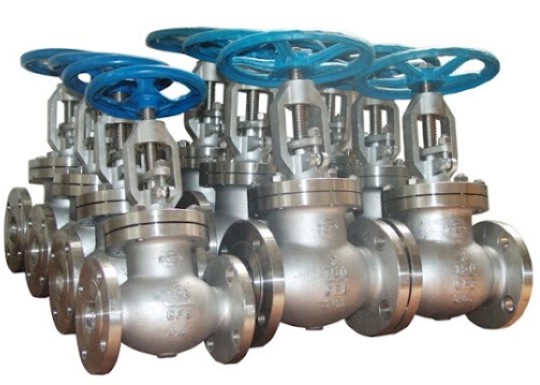
Leakage is one of the most common faults of globe valves and may occur at multiple locations, including the valve body, stem, or seat. Major causes of leakage include wear of the sealing surface, aging of the packing, or bending of the stem. Leakage not only wastes energy but can also damage equipment and the environment.
Specific types of leakage include:
- Leakage between the valve body and the seat: This may be due to insecure assembly of valve components or the presence of sand holes inside the valve body and seat.
- Body leakage: Usually caused by cracks or voids formed during casting, resulting in insufficient structural strength of the valve body, or cracks occurring at welded parts under stress.
- Leakage at the packing: Possible causes include improper installation of packing, stem surface roughness causing packing damage, incompatibility of packing material with system media, or loose packing gland.
- Leakage at the bonnet surface: May be due to bolts being too loose or too tight, damaged bonnet gaskets, or rough mating surfaces.
- Leakage at the disc-to-seat sealing surface: May result from improper grinding of the sealing surface, loose bolts, excessive gap between disc and stem causing disc sag and poor contact, incompatible sealing material, or presence of large amounts of debris on the sealing surface.
Globe valves may stick after long-term use, preventing normal opening or closing. This is usually caused by internal scaling, debris accumulation, or insufficient lubrication. Sticking valves can affect equipment operation and even lead to production interruptions.
If a valve operates stiffly or not smoothly, this is also a common issue. Causes may include bent stems, internal scaling, or poor lubrication. Stiff valve operation increases operating effort and reduces efficiency.
When a globe valve still allows gas to leak after closure, this phenomenon is called gas leakage. Causes may include wear of the sealing surface, aging of packing, or corrosion of valve materials. Gas leakage not only wastes energy but also affects normal equipment operation.
Disc corrosion and damage are mainly caused by incompatibility between valve materials and system fluids, and by prolonged exposure of the valve closure element to corrosive fluids.
Stem head bending or fracture is usually caused by improper valve operation, such as forcibly closing the valve; it may also result from overly tight or loose valve threads, or fatigue from long-term use.
Cracks in the valve seat and disc may result from excessive temperature differences on both sides of the valve or fracture of the overlay layer.
Causes of stiff stem lifting may include excessive pressure in the packing area, insufficient clearance between the stem and packing gland, damage to the stem or stem nut, inability to adjust the packing gland, inadequate maintenance of the stem, or excessively high temperature in the stem area.
Disc and stem failure may result from improper installation, causing components to be incorrectly positioned or fastened, leading to loose bolts or misaligned components; it may also result from frequent long-term use causing component wear.
For the above types of failures, corresponding solutions should be adopted. Different faults at different locations require different treatment methods. Correct repair methods not only restore valve function but also prevent recurrence. Specific solutions for common faults are as follows:
- Body-to-seat leakage: Disassemble valve components, locate the leak, replace the seat if welding cannot repair it, and weld sand holes in valve components if necessary.
- Body leakage: Use approximately 4% nitric acid solution to detect cracks or voids to find welding defects, grind the valve body surface to remove the cracked layer, then weld to seal the holes.
- Packing leakage: Check and adjust the packing gland to the correct position, properly install the packing, select suitable packing material according to working conditions, and repair or replace the stem if necessary.
- Bonnet surface leakage: Tighten bolts evenly to apply uniform force; disassemble the bonnet to address rough mating surfaces; replace gaskets if necessary.
- Disc-to-seat sealing leakage: Standardize valve operation to avoid excessive opening and closing force; regrind the sealing surface; perform overlay welding to remove debris; adjust the connection between disc and stem; replace the disc if it cannot be repaired.
Clean the interior of the valve to remove scaling and debris
Lubricate regularly to ensure smooth operation
Check for bent stems and replace them promptly
Replace internal components if necessary
Select appropriate globe valve closure elements based on working conditions, ensure compatibility of valve material with system fluid, and select valves that meet operational requirements and technical specifications.
Operate the valve according to specifications, select threads of appropriate material, and replace the stem if necessary.
Perform heat treatment on valve components and grind and repair the valve surface before welding.
Use stronger tools to remove the packing gland
Increase clearance between the stem and gland
Replace the stem and nut
Tighten gland bolts evenly
Use graphite powder lubrication under high-temperature conditions
Disassemble the valve and correctly reassemble it, shorten maintenance cycles for regular upkeep, and ensure components meet quality standards and technical requirements.
Compared with post-failure repair, proper maintenance and preventive measures are more economical and effective, ensuring valves remain fault-free. These measures are crucial for optimal valve operation and can extend service life.
Correct installation is the premise of globe valve maintenance. Since globe valves are usually unidirectional, proper installation reduces wear. Correct installation also simplifies subsequent maintenance. Installation should strictly follow manufacturer guidance, as different manufacturers may have different procedures.
Regular inspection is an important maintenance measure. Inspection frequency depends on fluid type, valve operation frequency, and system pressure. During inspection, check for wear on external components. If the valve has been idle for a long time, operate it to prevent adhesion between guiding parts and the seat. Release valve pressure and disassemble to inspect internal components for wear, leakage, bending, or fractures.
External components such as stems, handwheels, valve bodies, nuts, and bolts are susceptible to debris and solid particles, accelerating wear. Regularly inspect and lubricate these moving parts to ensure smooth operation. Repair or replace damaged components promptly, tighten loose bolts, and use cleaning agents to remove mud and deposits from the body and handwheel to prevent slipping during operation.
Internal maintenance is also critical. Disassemble the valve in reverse order of installation, check discs, seats, backseals, and other internal parts for wear or damage, and remove debris and deposits. For scratches on internal surfaces, grind with abrasives; for deep scratches, use specialized equipment for repair. Leaking or rough internal parts can be repaired by welding or grinding, while components with significantly reduced function should be replaced. Replace gaskets and O-rings during reassembly to ensure proper sealing.
Globe valves can only operate under optimal conditions with proper maintenance. Avoiding failures and frequent repairs ensures efficient and stable operation. While designed for long service life, actual lifespan depends on maintenance, attention, and protection. Failures may pose safety risks and sometimes require expensive repairs or replacement, but these issues can be avoided with proper preventive measures.
Regular maintenance significantly extends valve life. Best practice includes creating inspection and maintenance schedules, regularly checking internal and external components, and installing valves correctly to prevent faults.
As key equipment in industrial piping systems, globe valves significantly impact system safety and economic efficiency. By understanding common failures, mastering solutions, and establishing preventive maintenance systems, valve failures can be minimized, equipment lifespan extended, and maintenance costs reduced. Engineers should prioritize daily maintenance, develop scientific maintenance plans, and ensure valves remain in good working condition.
