
Guide to Extended Stem Valves for Industrial Pipelines
Extended stem valves are industrial valves modified from standard valves. Their core feature is the extension of the valve stem, drive shaft, or connecting pipe, creating a distance between the actuator, such as a handwheel, gear operator, or electric actuator, and the valve body. This design allows operators to open and close the valve from a more convenient and safer location. Even if the valve is installed in a confined space, underground pipelines, or high-temperature areas, operation remains safe and feasible. Common types of extended stem valves include extended stem gate valves, extended stem butterfly valves, and extended stem ball valves. The specific type selected depends on installation environment, valve size, control method, and the properties of the media.
Valves require extended stems mainly to meet special installation and operational needs. Typical application scenarios include:
- Underground or buried installation: In municipal water supply, gas pipelines, and wastewater systems, valves are often installed several meters underground. Extended stems allow actuators to be placed at the surface, enabling operators to open and close valves without entering confined spaces, significantly improving operational safety.
- High-temperature or low-temperature systems: In steam pipelines or liquid nitrogen cooling systems, pipeline surface temperatures are extremely high or low. Extended stems move the actuator to a safe area, preventing the risk of burns or frostbite to operators.
- Insulated or jacketed systems: In petrochemical and food-processing industries, pipelines and equipment are often covered with insulation or heating jackets. Extended stems allow valve operation without removing insulation, maintaining system integrity and preventing energy loss from frequent insulation removal.
- Restricted or hazardous areas: When valves are installed at the bottom of storage tanks, under furnaces, or in flammable and explosive environments, extended stems place the actuator in a safe and accessible location, facilitating maintenance and remote operation while reducing personnel exposure to hazardous environments.
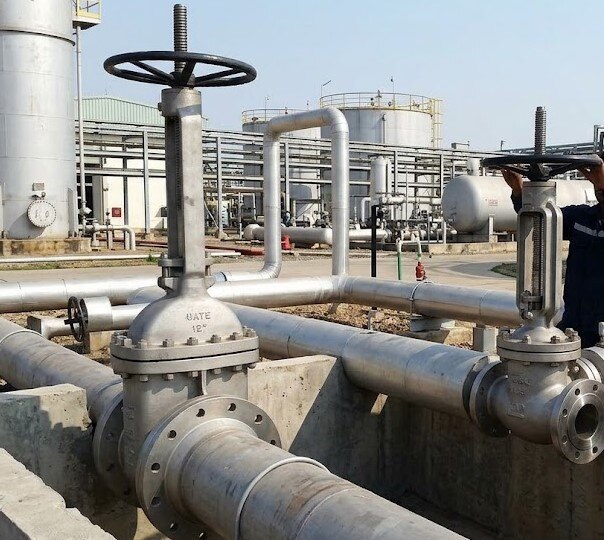
Extended stem valves are mainly divided into three types based on valve structure and working principles. Each type is designed to meet specific operational requirements. While retaining the standard valve function, the extended stem solves practical operational challenges by increasing the operating distance. The following is a detailed introduction to the functional features and applicable scenarios of each type of extended stem valve.
Extended stem gate valves extend the valve stem or connecting shaft based on a standard gate valve, positioning the actuator away from the valve body. This design is especially suitable for underground or hard-to-reach installations.
As isolation valves, extended stem gate valves provide excellent sealing performance, suitable for pipeline systems requiring reliable isolation but not frequently operated. Their main functions include:
- Remote switch control: With extended stems, the actuator can be installed at ground level or on an operating platform, controlling underground or remote valves.
- Improved operator safety: In high/low temperature, toxic media, or confined space environments, operators can stay away from hazardous areas, reducing the risk of burns, contact injuries, or other harm.
- Reliable flow control or isolation: Like standard gate valves, the rising gate ensures tight sealing, securing the safety isolation of the pipeline system.
- Applicable for buried or hard-to-reach areas: Improves operational efficiency and maintenance convenience, reducing difficulty and time for maintenance work.
- Compatible with various actuators: Can be manually operated or paired with electric or pneumatic actuators for automation, meeting different control requirements.
Extended stem butterfly valves, with their compact structure and rapid switching characteristics, are widely used in large-diameter pipeline systems. By extending the drive shaft, valve stem, or actuator mounting base, the operating mechanism can be positioned away from the valve body, ensuring reliable operation even in complex or confined installations.
Their main functions include:
- Rapid flow control: The extended stem design maintains the efficiency of the butterfly valve's 90° quick rotation, enabling fast flow adjustment, suitable for applications requiring frequent flow regulation.
- Remote manual or automated operation: Through the extended shaft, valves can be operated via ground handles, gear operators, electric actuators, or control panels, providing flexible operation options.
- Applicable for extreme temperature or insulated environments: The actuator can be placed in a safe area, protecting personnel and equipment from extreme temperatures.
- Flexible installation in confined spaces: Suitable for areas behind equipment, elevated locations, or between floors, resolving operational challenges caused by space limitations.
- Reduced maintenance costs: The actuator is visible and easy to operate, eliminating the need to remove insulation or enter underground areas, saving maintenance time and labor costs.
Extended stem valves have multiple advantages in industrial applications:
- Enhanced operational safety: Avoids personnel entering hazardous or confined areas by moving the operating point to a safe location, fundamentally reducing operational risks.
- Remote or ground-level control: Reduces maintenance workload and labor costs; operators can operate valves without special equipment.
- Adaptable to complex conditions: Whether in high/low temperature environments, insulated systems, or underground installations, extended stem valves provide reliable solutions.
- Flexible and customizable design: Length and configuration can be adjusted according to project requirements, meeting individualized engineering needs.
Valve stem extensions are required in the following situations:
- The valve is more than 1.5 meters away from the operator, making direct operation difficult or unsafe.
- The valve is located underground or in a confined chamber, posing safety risks for entry.
- The valve is covered by insulation that cannot be frequently removed, making removal impractical.
- The valve is blocked by pumps, equipment, or structures, limiting direct physical access.
- Operating the valve requires using ladders or adopting dangerous positions, posing risks of falls or injuries.
- Emergency shutdown requires quick access, but the valve location is inconvenient for urgent operation.
If operating the valve requires bending, stretching, using a ladder, or entering a confined space, a stem extension should be considered. This is not only for operational convenience but also to comply with modern industrial safety standards.
- Confirm specifications: Verify valve stem size and extension type for compatibility.
- Safety preparation: Shut down the system and relieve pipeline pressure to ensure a safe installation environment.
- Install the lower coupler: Attach the lower coupler to the valve stem, ensuring a secure connection.
- Install the extension rod: Install the extension rod according to the actual distance, maintaining straight alignment or allowable bending angles.
- Alignment check: Ensure shaft alignment to prevent operational binding.
- Install upper components: Secure the upper coupler, handwheel, or gear operator.
- Tightening check: Torque all connections according to manufacturer specifications.
- Functional test: Open and close the valve to test smooth operation and check for abnormal resistance.
- Install support: For long extension rods, install support brackets to prevent vibration.
- Record keeping: Document installation information in maintenance logs for future management.
When selecting extended stem valves, consider the following factors:
- Installation environment: Determine whether the valve is underground, elevated, or covered with insulation; this affects extension type and length selection.
- Operation frequency: Valves operated frequently should use rigid extensions with high torque transmission efficiency and low maintenance; infrequently operated valves may consider lower-cost solutions.
- Torque requirements: Large-diameter or high-pressure valves require rigid extensions for torque transmission; small-diameter, low-pressure valves may allow flexible options.
- Space constraints: If the stem and actuator cannot be aligned in a straight line, a flexible extension is required.
- Safety requirements: Determine actuator position according to plant safety standards to ensure compliance with safe distance requirements.
- Budget considerations: Although initial investment is higher, extended stem valves reduce overall operating costs by improving durability, performance, and maintenance convenience. Lifecycle costs should be considered, not just purchase price.
- Oil & Gas Industry: On offshore drilling platforms, valves are often installed at high or confined locations. Extended stems allow operators to operate from the platform deck or safe areas, avoiding climbing and exposure to hazardous areas. In onshore oil fields, deeply buried pipeline valves can be operated from the ground via extended stems, greatly improving inspection and maintenance efficiency.
- Chemical Industry: Many valves control hazardous substances. Extended stems relocate the operating point to a safe area, reducing operational risk. Especially for bottom valves on reactors or towers, extended stems are standard.
- Water Treatment Plants: Valves controlling chemical dosing for purification can be operated and maintained conveniently using extended stems. In large underground pipelines in sewage treatment plants, extended stem valves are essential for operator safety.
- Power Plants: Valves in steam and water systems are often installed in complex areas, such as boiler bottoms or around turbines in high-temperature and high-pressure environments. Extended stems simplify operation and maintenance, improving equipment availability.
- Mining and Mineral Processing: Valves are often installed in remote or hazardous locations, such as tailings ponds or underground mines. Extended stems enhance safety and operational convenience, reducing personnel exposure to hazardous areas.
Extended stem valves are an effective solution for operational challenges in industrial piping systems. By relocating the operating point to a safe and convenient position, they improve operational efficiency and safety while reducing long-term operational costs. In applications such as underground facilities, high-temperature systems, insulated pipelines, and confined spaces, extended stem valves have become standard.
With rising industrial safety standards and advances in automation technology, the application of extended stem valves will continue to expand. Whether for new construction or upgrades, proper selection of extended stem valves ensures safe and reliable operation of piping systems. When choosing, practical conditions, operational needs, and safety standards should be fully considered to select the most suitable type and configuration, ensuring stable and reliable operation throughout the valve's lifecycle.
