
How to Properly Select Cryogenic Valves: A Comprehensive Guide
In industrial applications, cryogenic valves are being used with increasing frequency, particularly in the transportation and storage of ultra-low-temperature media such as liquefied natural gas (LNG). Proper selection of cryogenic valves is critical to ensuring the safe and reliable operation of the entire system. This article provides a comprehensive explanation of key considerations in cryogenic valve selection, covering material selection, structural design, testing and inspection, and other essential aspects.
Material quality is a fundamental indicator of valve strength, reliability, and service life. For LNG cryogenic valves, austenitic stainless steels are generally recommended. Common valve body material grades include ASTM A351 F3M, ASTM A182 F316L, and ASTM A182 F304L, all of which offer excellent low-temperature performance and corrosion resistance.
For valve trim components, recommended materials include ASTM A351 CF8M, ASTM A182 F316, and ASTM A182 F304. These materials are capable of maintaining high strength and toughness under cryogenic conditions.
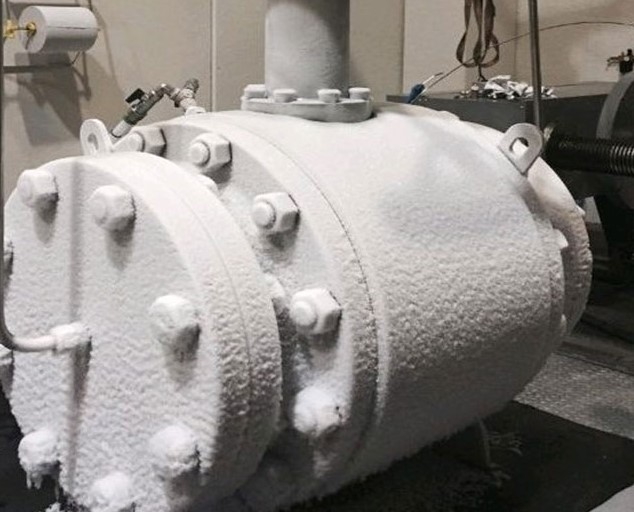
Cryogenic valves for LNG service typically adopt hard-seated sealing structures. The material of the valve plug (or disc) should be no lower than 316 stainless steel. In applications involving high differential pressure or where cavitation and flashing are likely to occur, hard stainless steel or Stellite alloy is recommended. In such cases, Stellite (STL) hardfacing should be overlaid on the plug (or disc) and seat to enhance sealing performance and erosion resistance.
For LNG cryogenic ball valves, a combination of metal seating with an embedded soft seal is recommended. The soft sealing material may be polychlorotrifluoroethylene (PCTFE), which provides excellent low-temperature resistance and reliable sealing performance.
Stem packing is one of the key components ensuring valve tightness. A configuration combining a lip seal with graphite packing is generally recommended. The lip seal effectively prevents medium leakage, while graphite provides self-lubrication and excellent thermal stability, maintaining reliable sealing performance even under cryogenic conditions.
For ultra-low-temperature LNG service, bonnet extension length is a critical design parameter. In practical applications, approximately 80% of external leakage incidents in LNG projects are attributed to insufficient bonnet extension, often due to manufacturers reducing costs by shortening the extension length. Therefore, bonnet extension length must be carefully considered during valve selection.
Standards such as BS 6364 and Shell MESC SPE 77/200 specify different requirements for bonnet extension length. Shell's requirements are more stringent; however, simply increasing the extension length to prevent packing freezing lacks sufficient field validation. It is recommended to use BS 6364 requirements for non-cold-box valves as a baseline, while also considering material selection, local ambient dew point, and manufacturers' project experience. The final extension length should be determined through thermal analysis and validated by actual testing.
- Configuration of Welded Pipe Extensions: To prevent damage to soft sealing structures during welding, ball valves with hardfaced ends should be supplied with welded pipe extensions. Ball valves with pipe extensions should be suitable for in-line welding. For valves with DN ≥ 80 mm, the minimum pipe extension length should be no less than 150 mm. It is recommended that the pipe extension material be consistent with the pipeline material to ensure welding reliability and sealing integrity, while also preventing corrosion issues caused by material mismatch.
- Drip Pan Design: All valves with extended bonnets should be equipped with drip pans for cold insulation, ensuring that the packing box remains at ambient temperature. The drip pan should be fully welded to the bonnet, with the same material as the valve body. Its function is to prevent cold vapor leakage and maintain the cryogenic environment inside the valve, thereby ensuring normal operation.
Material Inspection: Cryogenic valve materials must undergo rigorous inspection, particularly for domestically manufactured products, as material standards are often relatively less stringent. Required inspections include radiographic testing (RT) of pressure-containing components and welded joints, as well as liquid penetrant testing (PT) and other non-destructive examinations. These methods effectively identify internal material defects and ensure material quality. During manufacturing, valve components must undergo deep cryogenic treatment to ensure complete phase transformation. Such treatment improves material toughness and strength and enhances low-temperature performance.
Valve Testing: Once structural design and material inspection requirements are met, the following tests are mandatory: shell hydrostatic testing, low-pressure gas tightness testing, backseat leakage testing (for valves with a backseat structure), and cryogenic leakage testing. These tests comprehensively verify the valve's pressure-bearing capacity and sealing performance, ensuring reliable operation in service.
Before mass production, valves must also undergo five categories of qualification tests: cryogenic impact testing, ambient temperature performance testing, cryogenic performance testing, non-destructive examination, and cryogenic life-cycle testing. These tests further validate valve performance under various operating conditions and provide a reliable basis for batch production.
- Thermal Insulation Capability: The thermal insulation performance of a cryogenic valve can be evaluated by the ratio of heat flow rate Q₁ entering the valve to the mass flow rate of the cryogenic medium. However, when the medium remains unchanged and only the flow velocity varies, this value also changes, making it unsuitable as a universal evaluation index. Therefore, a unified comparison parameter, KT, is recommended for assessing cryogenic valve insulation performance.
- Cooling Performance: Cooling performance refers to the ability of a cryogenic valve to cool from ambient temperature down to its operating temperature. This performance can be evaluated by the amount of energy consumed during the process, namely the heat Q₂ transferred from the valve to the cryogenic medium. For cryogenic valves operating intermittently, cooling performance is of critical importance.
- Sealing Capability: Under cryogenic conditions, sealing materials may suffer performance degradation. To achieve reliable sealing, appropriate sealing structures must be adopted or sealing contact pressure must be increased. Sealing performance is generally evaluated using parameters related to leakage rate, which reflect the sealing capability of cryogenic valves.
- Anti-Freezing Measures: During operation, the external surface of a cryogenic valve should not experience condensation, let alone icing. Whether icing occurs depends primarily on the temperature difference ΔT₁ between ambient air and the valve surface, as well as the ambient air dew point. In all-weather conditions, complete elimination of condensation is difficult; however, if ΔT₁ meets certain criteria, the likelihood of icing can be significantly reduced. The condition for preventing surface icing is generally ΔT₁ ≤ 5 °C.
In engineering practice, cryogenic media environments are typically classified into three categories:
- 0 to −50 °C: For temperatures between 0 and −50 °C, low-temperature carbon steel is commonly used for valve bodies. This material provides adequate low-temperature toughness and strength within this range. However, it may become brittle at lower temperatures, so selection should be carefully evaluated based on actual operating conditions.
- −51 to −70 °C: In the −51 to −70 °C range, austenitic stainless steel or nickel-alloy low-temperature steel is typically used. Austenitic stainless steel offers excellent low-temperature performance and corrosion resistance, while nickel-alloy steels provide high strength and toughness. Material selection should consider medium corrosiveness and system pressure.
- −101 to −196 °C (Ultra-Cryogenic Conditions): In ultra-cryogenic environments from −101 to −196 °C, austenitic stainless steel is the primary choice, although suitable nickel-alloy low-temperature steels may also be used. Under such conditions, metal embrittlement becomes more pronounced; therefore, materials used for pressure-containing components must not undergo brittle transition at the operating temperature. If necessary, impact testing at the specified temperature should be conducted for verification.
- Treatment of Enclosed Valve Cavities: Cryogenic media may vaporize due to ambient temperature changes, generating localized high pressure. Valves that can form enclosed cavities should therefore be equipped with self-relief devices. Valves that do not form enclosed cavities, such as globe valves, butterfly valves, and single-seat floating ball valves, are preferred, although valves with enclosed cavities are not prohibited provided appropriate cavity pressure relief measures are implemented.
- Compensation for Thermal Expansion and Contraction: Valves with good compensation capability for thermal expansion and contraction of closing elements should be prioritized. The compensation capability of commonly used shut-off valves, from highest to lowest, is generally as follows: globe valves, gate valves, ball valves, mechanically balanced plug valves, and metal-seated butterfly valves. Selection should be based on actual operating conditions to ensure proper functionality during temperature fluctuations.
- Selection of Valves with Non-Metallic Seals: When selecting valves with non-metallic seals, attention must be paid to the minimum allowable service temperature of the non-metallic materials. The applicable range should be confirmed with the valve manufacturer. Valves relying on sealants as auxiliary sealing means should not be selected.
- Selection of Connection Types: Welded connections are preferred to reduce the complexity of cold insulation. When post-weld heat treatment is required, its impact on seat or disc sealing should be evaluated for valves of DN 40 and below. If necessary, pipe extensions or flanged connections may be adopted.
- Combination of Cryogenic and Flammable Media: For applications involving both cryogenic and flammable media, valves with non-metallic seals must incorporate fire-safe and anti-static designs. Pressure-containing components should undergo low-temperature impact testing in accordance with ASME B31.3 or GB/T 20801. Under cryogenic conditions, material impact toughness is highly sensitive to manufacturing defects; therefore, appropriate control of surface defects, internal defects, non-metallic inclusions, and grain size (for formed components) is required.
- Selection of Bonnet Bolting: Bolts used for bolted bonnets must comply with low-temperature material standards and undergo low-temperature impact testing in accordance with ASME B31.3 or GB/T 20801. Fully threaded studs are preferred for bonnet bolting under cryogenic conditions.
- Compatibility of Internal Components and Sealing Materials: The suitability of internal component materials, bonnet gaskets, and stem packing for cryogenic conditions must be evaluated and confirmed. In addition to meeting low-temperature requirements, these materials should also withstand potential high-temperature conditions. For example, if steam purging is required for cryogenic pipelines, all relevant materials must be capable of withstanding the steam temperature.
Selecting cryogenic valves is a complex yet critical process involving material selection, structural design, testing, and inspection. Actual operating conditions, medium properties, and environmental factors must all be considered in strict accordance with applicable standards and specifications. Through proper selection, cryogenic valves can operate safely and reliably, providing strong support for industrial production.
We hope this article offers valuable guidance to assist you in making informed decisions during cryogenic valve selection. Should you have further questions or require additional technical support, please feel free to reach out at any time.
